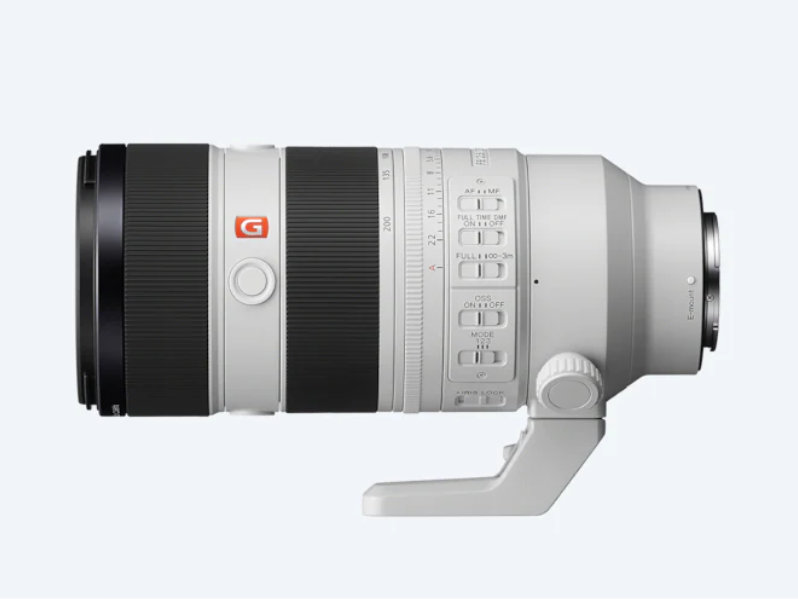
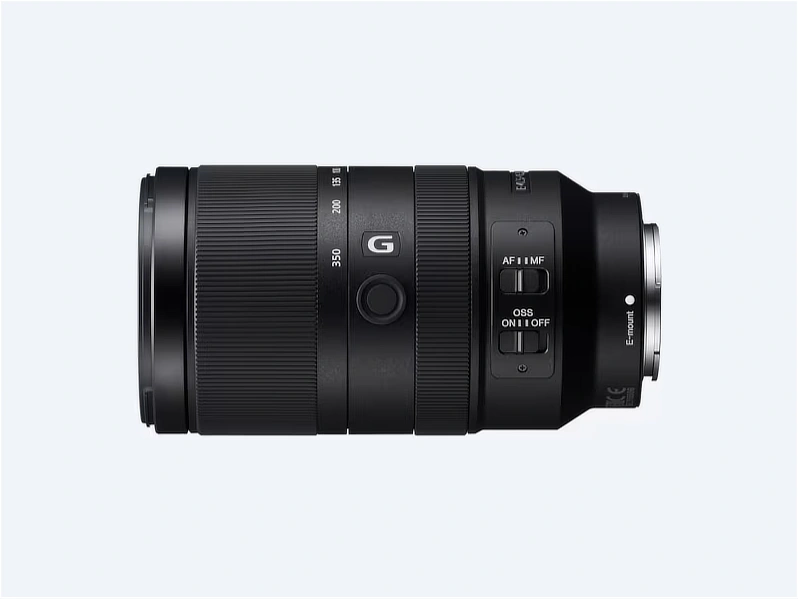
The technical reason why this lens is better
The reason the Sony 70-350mm G works so much better on the A6700 than the Sony 70-200mm GM II with a 2x converter comes down to sensor physics, pixel density, and how much optical stress is being placed on the system.
The A6700 uses a 26 megapixel APS-C sensor with very high pixel density. Each photosite is physically small, which means the sensor is extremely demanding of lens resolution and contrast. Any optical weakness is revealed very quickly, particularly at long focal lengths. This is where the difference between a native lens design and a teleconverter-based solution becomes critical.
When you add a 2x converter to the Sony 70-200mm GM II, you are magnifying not only the image but also every optical imperfection. Resolution drops, contrast is reduced, and micro detail becomes softer before the light even reaches the sensor. On a high pixel density APS-C sensor, this loss is far more visible than it would be on a lower density full frame sensor. The sensor is effectively asking more from the lens than the lens plus converter can reliably deliver.
Pixel pitch plays a big role here. The smaller the pixel pitch, the more precisely focused and contrast-rich the projected image needs to be. With the 2x converter in place, the Sony 70-200mm GM II is still very good optically, but the image it projects is already compromised compared to the native lens. The A6700 simply exposes this limitation more clearly than a full frame body like the A7R IV, where the larger sensor area and different sampling characteristics are more forgiving.
Autofocus performance is also affected by this optical chain. The 2x converter reduces the amount of light reaching the AF system and lowers contrast at the sensor level. On the A6700, this results in less decisive phase detection, particularly with small subjects and complex backgrounds. Even though the nominal aperture of the Sony 70-350mm G is higher, it delivers a cleaner, higher contrast image to the sensor because it is a native design with no optical multiplication involved. That clean signal is what allows autofocus to work more confidently and consistently.
Another key factor is how the image is being cropped. With the Sony 70-350mm G, the lens is designed to fully resolve an APS-C image circle at long focal lengths. You are using every pixel as intended, without enlarging the image optically. With the Sony 70-200mm GM II plus 2x converter, you are effectively enlarging the image before it hits the sensor, which reduces effective resolution and increases the visibility of diffraction, motion blur, and focus error on a high density sensor.
In simple terms, the Sony 70-350mm G is feeding the A6700 exactly what it wants: a sharp, high contrast, native image that matches the sensor’s pixel density. The Sony 70-200mm GM II plus 2x converter is asking the sensor to work harder with a degraded signal. That difference explains why the 70-350 delivers a higher keeper rate, better perceived sharpness, and more reliable autofocus on the A6700, even though it looks slower on paper.